
The Definitive SailPoint IdentityIQ Engineer Certification Guide

The SailPoint Certified IdentityIQ Engineer certification validates a professional's expertise in designing, implementing, and maintaining SailPoint IdentityIQ solutions. This credential, identified by the IdentityIQ Engineer exam code, is ideal for identity and access management (IAM) professionals, system architects, and developers who are responsible for managing complex identity governance programs within enterprises. This comprehensive guide outlines the journey to becoming a certified engineer, covering exam specifics, key syllabus areas, preparation strategies, and career implications. It aims to equip aspiring candidates with a strategic roadmap to achieve this valuable certification and enhance their proficiency in advanced identity governance concepts.
Decoding the IdentityIQ Engineer Certification
The SailPoint Certified IdentityIQ Engineer exam serves as a benchmark for professionals skilled in the intricate details of the SailPoint IdentityIQ platform. Achieving this certification signifies a deep understanding of the product's architecture, configuration, and implementation best practices. It confirms the candidate's ability to tackle real-world challenges in identity governance, provisioning, and lifecycle management, making them an invaluable asset to any organization deploying SailIQ solutions.
Understanding the Exam Structure
The IdentityIQ Engineer exam is designed to rigorously test a candidate's practical and theoretical knowledge. Candidates should approach this assessment with thorough preparation, leveraging official resources and hands-on experience.
-
Exam Name: SailPoint Certified IdentityIQ Engineer
-
Exam Code: IdentityIQ Engineer
-
Exam Price: $400 (USD)
-
Duration: 90 mins
-
Number of Questions: 66
-
Passing Score: Pass/Fail
Validating Core Competencies
This certification is crucial for those looking to solidify their standing as expert-level IdentityIQ implementers. It not only validates technical skills but also underscores a candidate's commitment to continuous professional development in the rapidly evolving cybersecurity landscape. Earning this certification can significantly boost career prospects and earning potential in the identity and access management domain.
Architecting SailPoint IdentityIQ Solutions
A SailPoint Certified IdentityIQ Engineer is expected to possess profound knowledge of the platform's architectural components and their interplay. This includes understanding how various modules integrate to form a cohesive identity governance framework, crucial for designing robust and scalable solutions that meet organizational security and compliance needs.
Navigating the Core Syllabus Topics
The exam blueprint covers several critical areas, reflecting the multifaceted nature of an IdentityIQ Engineer's role. A detailed understanding of these topics is paramount for successful preparation.
-
IdentityIQ Installation, Build, and Deployment: This encompasses the foundational knowledge required to set up and configure the IdentityIQ environment, including prerequisites, installation procedures, and deployment strategies.
-
IdentityIQ Lifecycle Manager: Focuses on managing the identity lifecycle, from onboarding to offboarding, including provisioning, de-provisioning, and role management.
-
IdentityIQ Identity Governance: Covers core governance concepts such as access certifications, policy enforcement, segregation of duties (SoD), and reporting.
-
IdentityIQ Development: Involves customizing and extending IdentityIQ functionalities using beanshell, rules, and workflows to meet specific business requirements.
-
IdentityIQ Application Onboarding: Details the process of integrating various applications and data sources into IdentityIQ for comprehensive identity management.
-
IdentityIQ Debugging and Troubleshooting: Equips engineers with the skills to identify, diagnose, and resolve issues within the IdentityIQ environment.
-
IdentityIQ Data and Access Modeling: Deals with structuring identity data, defining roles, and modeling access entitlements effectively to ensure accurate and efficient governance.
Mastering these domains ensures engineers can effectively implement and manage complex identity solutions. For further details on exam content and objectives, visit the SailPoint Certified IdentityIQ Engineer exam page.
Mastering Core IdentityIQ Modules
Proficiency in each IdentityIQ module is a cornerstone for any certified engineer. This involves not only understanding their individual functions but also how they interact to support a holistic identity governance program. Successful candidates demonstrate a practical ability to configure and optimize these modules for maximum efficiency and security.
Implementing Application Onboarding
Effective application onboarding is critical for centralizing identity management. Engineers must understand how to connect diverse applications, configure connectors, and map attributes. This ensures that all identity data flows seamlessly into IdentityIQ, enabling comprehensive governance. The process often requires custom scripting and careful validation to ensure data integrity and operational consistency across various enterprise systems.
Developing Custom Solutions
The IdentityIQ platform is highly extensible, allowing engineers to develop custom solutions tailored to unique organizational needs. This involves writing custom rules, policies, and workflows using scripting languages like Beanshell. Understanding the IdentityIQ API and SDK is also vital for integrating with other systems and automating complex identity processes. Development skills are frequently tested in real-world scenarios, making hands-on practice indispensable.
Ensuring Robust Identity Governance
Identity governance is at the heart of SailPoint IdentityIQ. Engineers are tasked with implementing and managing access certifications, policy controls, and role-based access control (RBAC) models. This ensures that users have only the access they need, reducing the risk of unauthorized access and facilitating compliance with regulatory mandates. A deep dive into these features is essential for comprehensive readiness.
Essential Exam Preparation Methodologies
Preparing for the SailPoint Certified IdentityIQ Engineer exam requires a structured and consistent approach. Candidates should combine theoretical study with practical application to ensure a thorough understanding of the material. Effective preparation strategies often involve utilizing official documentation, gaining hands-on experience, and engaging with the community.
Utilizing Official Resources
SailPoint provides extensive documentation and training modules that are invaluable for exam preparation. These resources often include detailed guides, best practices, and release notes that align directly with the exam objectives. Regularly consulting the official SailPoint website for the latest updates and study materials is highly recommended. These official sources are curated to ensure candidates have access to accurate and up-to-date information, reflecting current product capabilities and recommended configurations.
Hands-On Experience and Practice
Theoretical knowledge alone is insufficient. Gaining practical experience by working with IdentityIQ in a lab environment or through actual implementations is crucial. This hands-on approach helps cement concepts and builds confidence in debugging, configuring, and deploying solutions. Consider setting up a personal IdentityIQ instance or using virtual labs to practice the scenarios outlined in the syllabus. Regular practice with configuration, rule development, and troubleshooting will significantly enhance readiness.
Engaging with the SailPoint Community
The SailPoint community is a rich source of knowledge and support. Participating in forums, discussions, and webinars can provide insights into common challenges and solutions. Connecting with other certified professionals and experienced users can offer valuable tips and clarify complex topics. The SailPoint Community portal is an excellent starting point for engaging with peers and experts. This collaborative learning environment can expose you to diverse perspectives and practical application examples.
Crafting a Personalized Study Plan
A tailored study plan helps manage time effectively and ensures all syllabus topics are covered adequately. Break down the preparation into manageable modules, allocating specific time slots for each topic. Regular review sessions and self-assessment quizzes can help identify areas that require more attention. Prioritize topics based on their weightage in the exam, if known, and your personal areas of strength and weakness. Consistent review, rather than last-minute cramming, yields better results.
Pathway to IdentityIQ Engineering Excellence
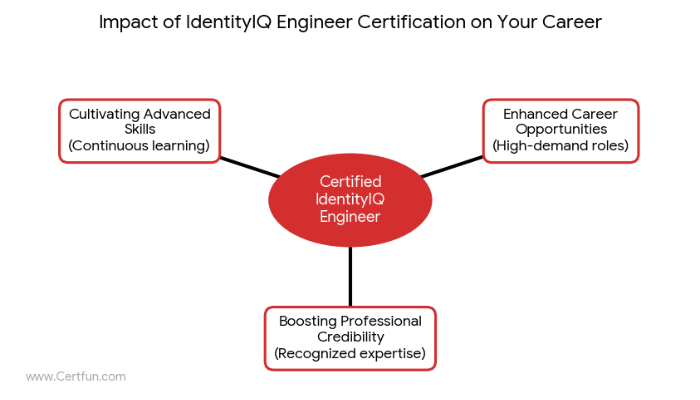
Achieving the SailPoint Certified IdentityIQ Engineer certification is more than just passing an exam; it signifies a commitment to excellence in identity governance. This credential opens doors to advanced roles and contributes significantly to an individual's career trajectory within the cybersecurity and IAM sectors. It positions engineers as leaders capable of handling complex identity challenges.
Enhancing Career Opportunities
Certified engineers are highly sought after in the job market. The demand for skilled IdentityIQ professionals continues to grow as organizations prioritize robust identity governance frameworks. This certification can lead to roles such as IdentityIQ Architect, Senior IdentityIQ Engineer, or IAM Consultant, often accompanied by competitive salaries. It demonstrates to employers a verified skill set and dedication to the SailPoint ecosystem.
Cultivating Advanced Skills
Beyond the exam, the journey of an IdentityIQ Engineer involves continuous learning and skill refinement. Staying updated with new SailPoint releases, understanding evolving security threats, and mastering integration techniques are essential. This includes developing deeper expertise in areas like cloud identity management, API integrations, and advanced analytics for identity intelligence. The certification acts as a foundation for further specialization.
Boosting Professional Credibility
Certification provides a tangible testament to an engineer's capabilities. It establishes professional credibility and signals to peers and employers that the individual possesses a validated level of expertise. This can be particularly beneficial when leading projects, contributing to strategic initiatives, or mentoring junior team members. Maintaining a professional network, perhaps through platforms like Facebook's SailPoint community , can also help in staying connected and informed.
Troubleshooting IdentityIQ Implementations
A critical skill for any IdentityIQ Engineer is the ability to effectively debug and troubleshoot issues that arise during implementation and ongoing operations. This requires a systematic approach to problem-solving, a deep understanding of logs, and proficiency with IdentityIQ's diagnostic tools. Proactive identification and resolution of issues are paramount to maintaining system stability and performance.
Diagnosing Common IdentityIQ Problems
Engineers must be adept at identifying the root cause of issues, whether they stem from misconfigurations, data discrepancies, or integration failures. This involves analyzing server logs, connector logs, and IdentityIQ audit trails. Understanding the typical error patterns associated with different modules, such as Lifecycle Manager or application connectors, is crucial for swift diagnosis. Developing a checklist of common failure points can streamline the diagnostic process.
Leveraging Debugging Tools and Techniques
SailPoint IdentityIQ offers various debugging tools and settings that can aid in problem resolution. This includes enabling verbose logging, using the debug pages within the console, and leveraging external debuggers for custom code. Engineers should be proficient in using these tools to trace execution paths, inspect variable values, and isolate problematic sections of the configuration or custom development. Effective use of these tools minimizes downtime and improves system reliability.
Implementing Best Practices for System Health
Beyond reactive troubleshooting, a SailPoint Certified IdentityIQ Engineer is responsible for implementing best practices that promote long-term system health. This includes regular system monitoring, performance tuning, and adhering to SailPoint's recommended configurations. Establishing clear change management processes and performing thorough testing before deployment can prevent many common issues, ensuring the IdentityIQ environment operates smoothly and efficiently.
Navigating the Certification Journey and Beyond
The journey to becoming a SailPoint Certified IdentityIQ Engineer is a significant professional undertaking, culminating in a credential that underscores advanced capabilities. This certification not only validates current skills but also paves the way for continued growth and deeper engagement with cutting-edge identity governance solutions. It represents a commitment to maintaining high standards of expertise and contributing to secure enterprise environments.
The demand for skilled identity and access management professionals, particularly those with expertise in platforms like SailPoint IdentityIQ, continues to escalate. By achieving this certification, you position yourself at the forefront of this critical domain, ready to tackle complex challenges and drive impactful solutions. The structured learning path and rigorous examination process ensure that certified individuals are well-prepared for real-world scenarios.
Embark on your preparation journey today to unlock new career avenues and cement your role as a leading expert in identity governance. For resources and practice tests that align with the exam objectives, explore the offerings at Certfun.com . This commitment to professional development will undoubtedly yield significant returns, enhancing both your personal growth and your contribution to enterprise security.
FAQs
What kind of roles can a SailPoint Certified IdentityIQ Engineer pursue?
A SailPoint Certified IdentityIQ Engineer can pursue roles such as IdentityIQ Consultant, Identity Architect, Senior IAM Engineer, or Developer, focusing on implementing, customizing, and maintaining SailPoint IdentityIQ solutions for organizations.
Is prior experience with IdentityIQ required for the certification?
While not strictly a prerequisite, significant hands-on experience with SailPoint IdentityIQ installation, configuration, development, and administration is highly recommended to successfully pass the IdentityIQ Engineer exam. The exam assumes practical application knowledge.
How long does it typically take to prepare for the IdentityIQ Engineer exam?
Preparation time varies greatly depending on an individual's existing experience with SailPoint IdentityIQ and identity governance concepts. Candidates with 1-2 years of dedicated IdentityIQ experience might need 2-4 months of focused study, while others may require more.
Does the certification need to be renewed?
SailPoint certifications often have a validity period and may require recertification or completion of continuing education to maintain active status. Candidates should check the official SailPoint certification program guidelines for the most current renewal policies.
What are the key benefits of becoming a SailPoint Certified IdentityIQ Engineer?
Key benefits include enhanced career opportunities, increased earning potential, validated technical expertise in a high-demand field, improved professional credibility, and the ability to contribute more effectively to complex identity governance projects.
- SailPoint Certification |
- SailPoint Certified IdentityIQ Engineer |
- IdentityIQ Engineer Online Test |
- IdentityIQ Engineer Questions |
- IdentityIQ Engineer Quiz |
- IdentityIQ Engineer |
- SailPoint IdentityIQ Engineer Certification |
- IdentityIQ Engineer Practice Test |
- IdentityIQ Engineer Study Guide |
- SailPoint IdentityIQ Engineer Question Bank |
- IdentityIQ Engineer Certification Mock Test |
- IdentityIQ Engineer Simulator |
- IdentityIQ Engineer Mock Exam |
- SailPoint IdentityIQ Engineer Questions |
- SailPoint IdentityIQ Engineer Practice Test |
- IdentityIQ Engineer Syllabus |
- IdentityIQ Engineer Books |
- IdentityIQ Engineer Certification Syllabus |
- SailPoint Professional Certification |
- SailPoint IdentityIQ Engineer Books |
- SailPoint IdentityIQ Engineer Training |
- IdentityIQ Engineer Certification Cost |
- IdentityIQ Engineer Sample Questions |
- SailPoint IdentityIQ Engineer Practice Test Free |
- IdentityIQ Engineer Certification Sample Questions


